GES Engages Stakeholders in Sefwi Wiawso to Strengthen Fight Against Examination Malpractice
GES Engages Stakeholders in Sefwi Wiawso to Strengthen Fight Against Examination Malpractice
 Hamza Mohammed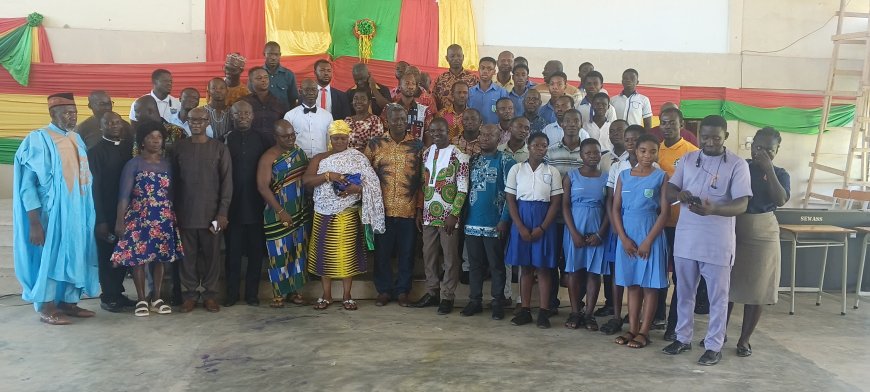
GES Engages Stakeholders in Sefwi Wiawso to Strengthen Fight Against Examination Malpractice
The Ghana Education Service (GES) has intensified efforts to combat examination malpractice through a high-level stakeholder engagement held in Sefwi Wiawso in the Western North Region.

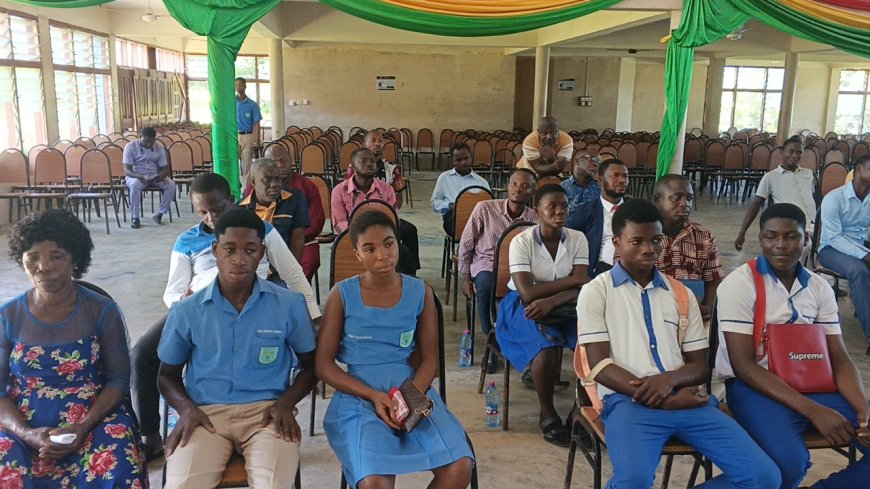
The engagement, which took place at Sefwi Wiawso Senior High School, formed part of a nationwide sensitization campaign aimed at promoting integrity, fairness, and credibility in Ghana's examination system ahead of the 2026 Basic Education Certificate Examination (BECE) and the West African Senior School Certificate Examination (WASSCE).
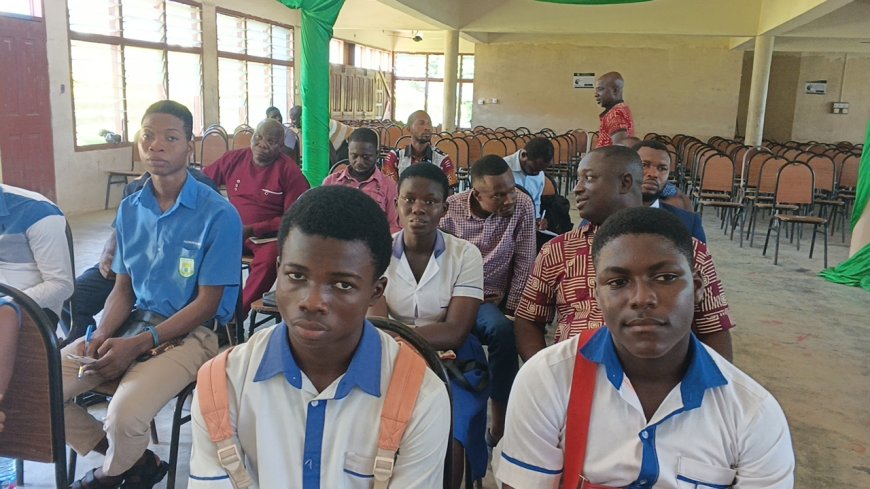
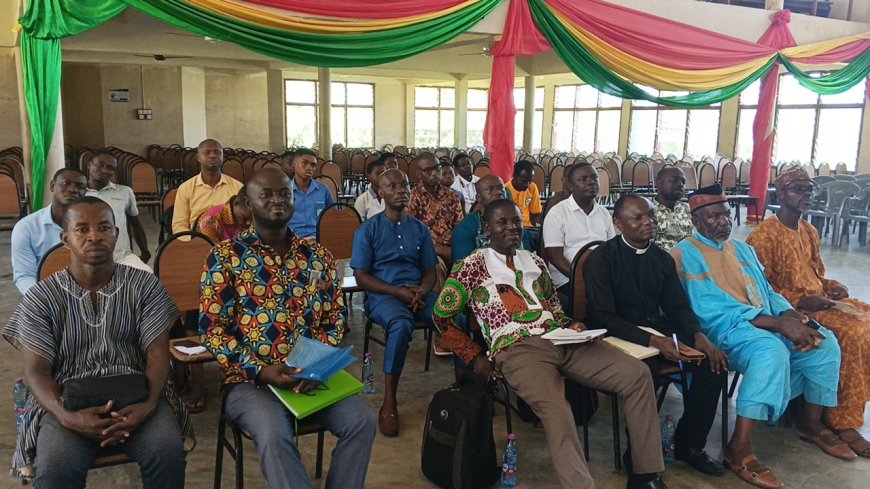
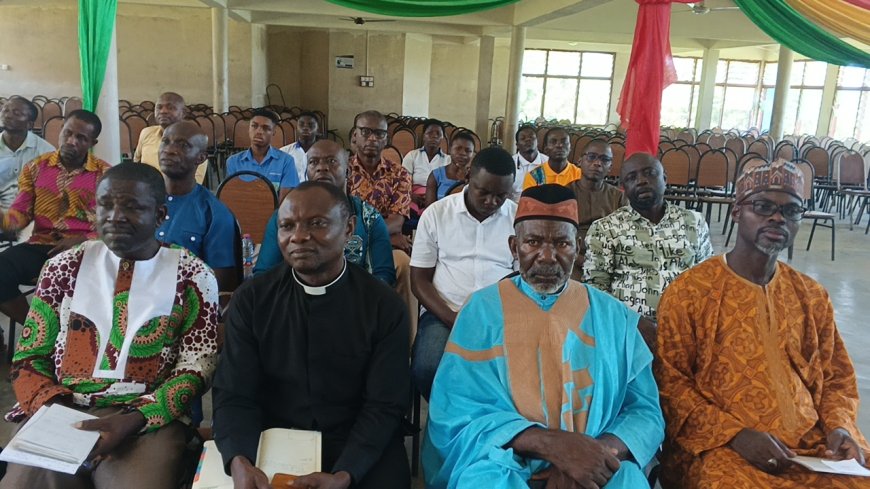
The event brought together Heads of Senior High Schools, Basic School Heads, Municipal and District Directors of Education, traditional leaders, and other key stakeholders within the education sector to deliberate on practical strategies to eliminate examination malpractice.
Preserving the Integrity of Examinations
Speaking to journalists on the sidelines of the programme, the Western North Regional Public Relations Officer of GES, Elder Daniel Armah Ofori, emphasized the need to protect the sanctity of public examinations.
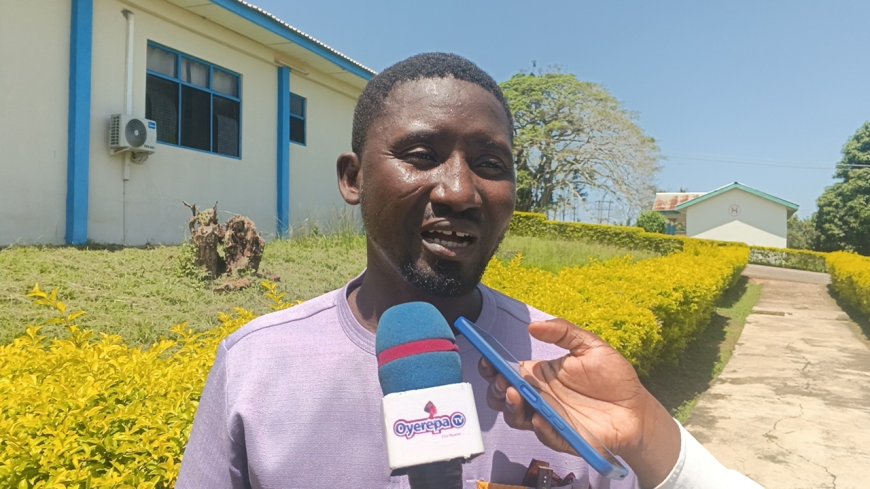
According to him, examinations remain a critical tool for assessing students' academic capabilities, and any form of malpractice undermines the credibility of educational outcomes.
He explained that the nationwide initiative seeks to ensure that candidates' results genuinely reflect their knowledge, hard work, and academic preparedness.
"Examination malpractice poses a serious threat to our educational system and national development. When unqualified individuals obtain certificates through dishonest means, they may eventually occupy critical positions in society, thereby compromising efficiency and competence," he stated.
Elder Ofori reiterated GES's unwavering commitment to dealing decisively with individuals found culpable of engaging in or facilitating examination malpractice.
He cautioned school authorities, invigilators, supervisors, parents, and students to strictly adhere to examination regulations, stressing that sanctions would be applied without fear or favour.
He also took the opportunity to wish all candidates preparing for the 2026 BECE and WASSCE success in their examinations, urging them to rely on hard work and integrity.
"I encourage all candidates to study diligently and approach the examinations with confidence. Success achieved through honesty is far more rewarding," he advised.
Traditional Leader Calls for Educational Reforms
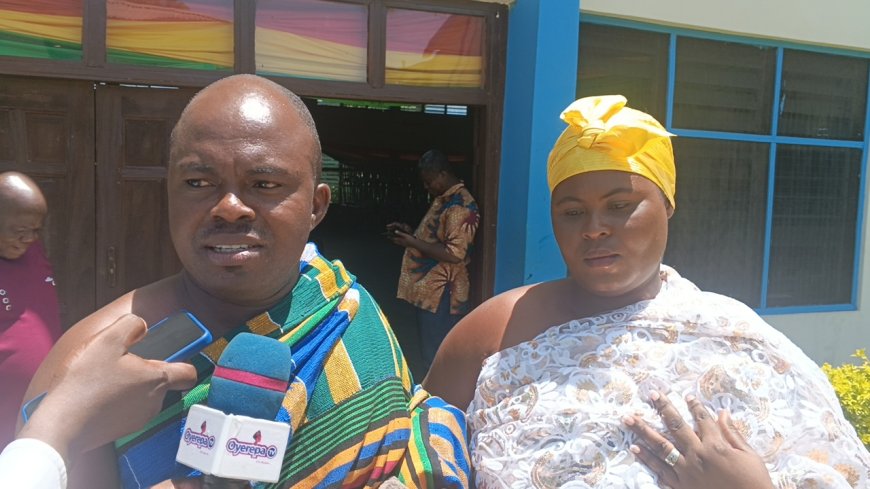
Adding his voice to the discussion, Nana Kwasi Gyabeng II, Chief of Sefwi Donchemoaso in the Sefwi Wiawso Traditional Area, called for a return to strong foundational teaching practices as a long-term solution to examination malpractice.
He argued that tackling the menace requires a holistic approach that addresses the root causes within the educational system.
According to the chief, frequent changes in the school curriculum often create unnecessary challenges for both teachers and students.
He therefore urged the Ghana Education Service to ensure greater stability in curriculum implementation while providing adequate support to teachers.
Nana Kwasi Gyabeng II further stressed the importance of improving teachers' welfare, noting that well-motivated educators are better positioned to deliver quality instruction and mentor students effectively.
He also appealed to parents to actively support their children's education by providing the necessary learning materials and creating conducive environments for academic success.
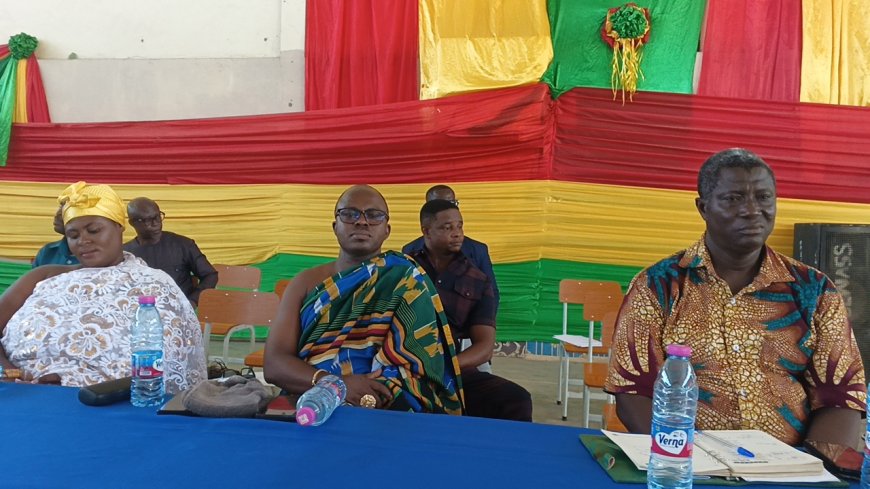
"If we truly want to eliminate examination malpractice, all stakeholders—government, teachers, parents, and traditional leaders—must play their respective roles," he said.
Collective Responsibility
The stakeholder engagement highlighted the shared responsibility required to maintain the integrity of Ghana's educational assessment system.
Participants pledged their commitment to upholding examination ethics and ensuring that the 2026 national examinations are conducted in a transparent, fair, and credible manner.
GES continues to encourage collaboration among all stakeholders as part of its broader agenda to promote academic excellence and restore confidence in the country's examination processes.
Source:Bibianinews.com