Private Schools Association Protests Exclusion from 2027 Budget, Demands Fair Treatment for Students
Private Schools Association Protests Exclusion from 2027 Budget, Demands Fair Treatment for Students
 Hamza Mohammed
Private Schools Association Protests Exclusion from 2027 Budget, Demands Fair Treatment for Students
Accra, Ghana – November 13, 2026
The Ghana National Association of Private Schools (GNAPS) has expressed deep disappointment over what it describes as the total exclusion of private schools and their students from key educational interventions outlined in the 2027 Budget Statement and Economic Policy.
The association is particularly unhappy that government has allocated GH¢169 million to cover Basic Education Certificate Examination (BECE) registration fees for public school candidates, while students in private schools are expected to bear the full cost of registration.
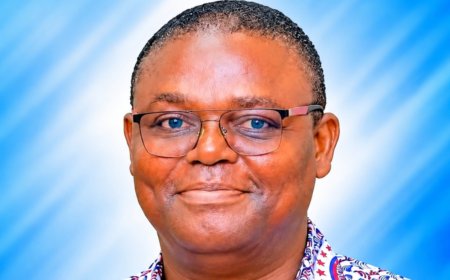
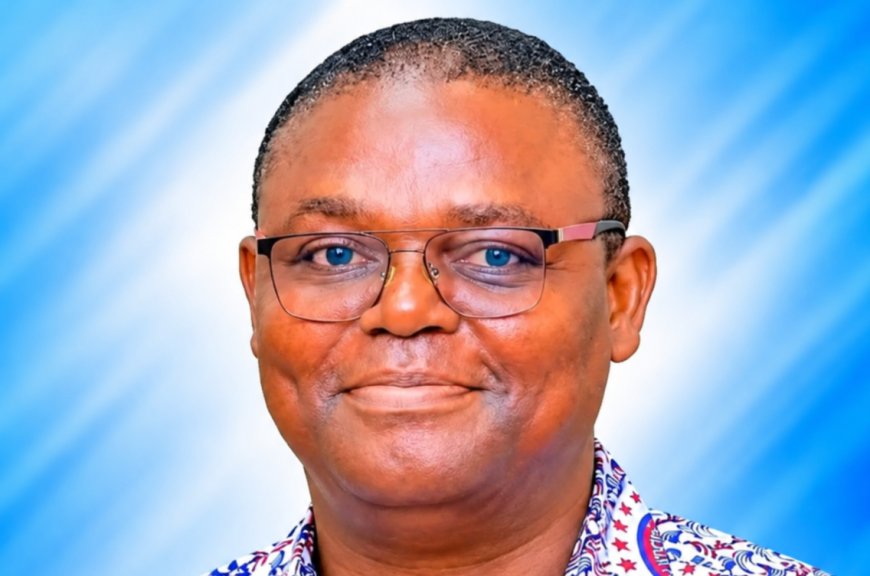
In a strongly worded press statement signed by its General Secretary, Kennedy Donkor, the association questioned why Ghanaian children attending private schools should be treated differently from their counterparts in public schools.
The statement, issued on November 13, 2026, argued that children in private schools are equally Ghanaian citizens who deserve fair treatment and equal opportunities in the country's education system.
The 2027 Budget, presented to Parliament on Thursday, November 12, 2026, by Finance Minister Dr. Cassiel Ato Forson, allocated GH¢48 billion to the Ministry of Education, alongside several other investments aimed at improving educational delivery.
These include GH¢11.2 billion for GETFund, GH¢1.37 billion towards ending the double-track system, GH¢537 million for the No Fees Stress initiative, GH¢292 million for free sanitary pads, GH¢227 million for teacher trainee allowances, GH¢166 million for the Capitation Grant and GH¢169 million for BECE registration fees.
However, the association maintains that despite the significant allocations, private schools have not received any direct financial support under the announced interventions.
Private Schools Say They Play a Critical Role in Ghana's Education
According to GNAPS, private schools remain an important pillar of Ghana's educational system, providing access to education in communities where public school infrastructure is inadequate or unavailable.
The association noted that private educational institutions help reduce pressure on government by providing classrooms, learning materials, teachers and other essential facilities without depending on direct state funding.
It further argued that the sector provides employment opportunities for thousands of Ghanaians, including teachers, administrators, drivers, cleaners, cooks and security personnel.
GNAPS also rejected the perception that private schools are exclusively for wealthy families, explaining that many low-fee private schools serve children from economically disadvantaged households.
It said some institutions operate in rented buildings, church premises and other modest facilities, charging relatively small fees to keep children in school.
Association Raises Concerns Over BECE Registration Fees
One of the major concerns raised by the association is the alleged increase in BECE registration fees for private school candidates.
GNAPS questioned why students attending public and private schools should pay different amounts for the same national examination administered by the West African Examinations Council (WAEC).
The association is therefore demanding transparency from WAEC and the Ghana Education Service regarding the examination fees charged to private school candidates.
It is also calling for the inclusion of all eligible BECE candidates, irrespective of the schools they attend, in government-sponsored examination fee arrangements.
Calls for Equal Access to Educational Interventions
Beyond BECE registration fees, the association expressed concern over the exclusion of private school students from other government educational interventions.
These include the Capitation Grant, free sanitary pads for schoolgirls, teaching and learning materials, infrastructure support and teacher development programmes.
According to the association, girls in private schools also deserve access to sanitary products, while students in private institutions equally need learning materials and other educational support.
It further complained that private schools continue to face taxation, assembly operating permits, regulatory charges and other financial obligations despite receiving little or no direct government assistance.
The association described the situation as unfair, arguing that private schools are subjected to government regulation and taxation but are largely excluded from national educational support programmes.
GNAPS Appeals to Government and Parliament
The association has appealed to President John Dramani Mahama, the Ministry of Education and Parliament to reconsider the exclusion of private schools from the 2027 Budget.
It has specifically called on Parliament's Education Committee and Members of Parliament to intervene and ensure that the concerns of private school operators are addressed before the budget approval process is completed.
GNAPS also urged parents, teachers, religious organisations, traditional authorities and civil society groups to support its campaign for equal educational opportunities for all Ghanaian children.
The association believes that access to educational support should not be determined solely by whether a child attends a public or private school.
Four Major Demands Presented
In its statement, the Ghana National Association of Private Schools outlined four major demands:
BECE Fee Coverage: Immediate inclusion of all eligible BECE candidates from both public and private schools in the GH¢169 million allocation for the 2027 academic year, alongside a reversal of the latest increase in registration fees for private school candidates.
Equal Educational Support: Extension of the Capitation Grant, free sanitary pads and teaching and learning interventions to students in private schools.
Establishment of a Private Schools Desk: Creation of a formal Private Schools Desk and funding framework within the Ministry of Education to ensure the sector is represented in national educational planning.
Tax Relief and Regulatory Fairness: Introduction of tax relief measures and an end to what the association describes as multiple levies and harassment of private school operators.
"Our Children Are Ghanaians Too"
The association emphasised that its demands are not based on charity but on fairness, equity and the need to protect the educational interests of every Ghanaian child.
It maintained that private schools have contributed significantly to the development of education in Ghana over the years and should therefore be recognised as important partners in national educational development.
"We are not asking for charity. We are asking for justice. We are asking for equity. We are asking for what every Ghanaian child deserves," the statement stressed.
The statement was signed by Kennedy Donkor, General Secretary of the Ghana National Association of Private Schools/Private Schools Association.
The association has made its leadership available for media interviews to further explain its concerns and demands.
Its central message to government and the people of Ghana remains clear: Children attending private schools are Ghanaian citizens too, and their educational needs deserve equal consideration.
Source:Bibianinews.com